
Whether you’re organizing a corporate conference, trade exhibition, wedding, product launch, concert, fundraising gala, or private celebration, careful planning is essential to creating a successful event. Rwanda has become one of Africa’s leading destinations for meetings, incentives, conferences, and exhibitions (MICE), thanks to its modern infrastructure, professional service providers, excellent hospitality, and welcoming business environment.
This guide outlines the key steps to planning an event in Rwanda, from setting your objectives and choosing a venue to coordinating suppliers and ensuring a seamless experience for your guests.
Why Choose Rwanda for Your Event?
Rwanda has earned an international reputation as a preferred destination for both business and social events. The country’s efficient services, clean environment, and modern facilities continue to attract organizers from across Africa and beyond.
Some of the advantages of hosting an event in Rwanda include:
- Visa on arrival for all nationalities
- Strong regional and international air connectivity through RwandAir and other international airlines
- Modern conference, exhibition, and entertainment venues
- Reliable road infrastructure and digital connectivity
- Professional hospitality and event service providers
- A safe, clean, and well organized environment
- Support from the Rwanda Convention Bureau for qualifying meetings and conferences
According to the International Congress and Convention Association (ICCA), Rwanda ranked among Africa’s leading destinations for hosting international association meetings in 2024, further strengthening Kigali’s position as a regional hub for conferences and business events.
Define Your Event Objectives
Every successful event begins with a clear purpose.
Before making any bookings, determine:
- The purpose of your event
- Your target audience
- Expected number of guests
- Preferred date
- Available budget
- Desired venue style and event format
Having clear objectives makes every other planning decision easier.
Establish a Realistic Budget
A well prepared budget helps you avoid unexpected expenses and allocate resources effectively.
Common costs may include:
| Budget Category | Examples |
|---|---|
| Venue | Hall or meeting space |
| Catering | Meals, refreshments, coffee breaks |
| Audio Visual | Sound, lighting, LED screens, projectors |
| Event Branding | Backdrops, banners, signage, printing |
| Photography & Videography | Event documentation |
| Entertainment | MCs, musicians, DJs, performers |
| Security | Event security personnel |
| Transport | Guest transfers and logistics |
| Marketing | Invitations, advertising, social media |
| Contingency | Unexpected expenses |
Because every event is different, most venues and suppliers prepare customized quotations based on your specific requirements. Comparing quotations from multiple service providers can help you make informed decisions while staying within budget.
Choose the Right Venue
The venue plays a major role in the success of any event.
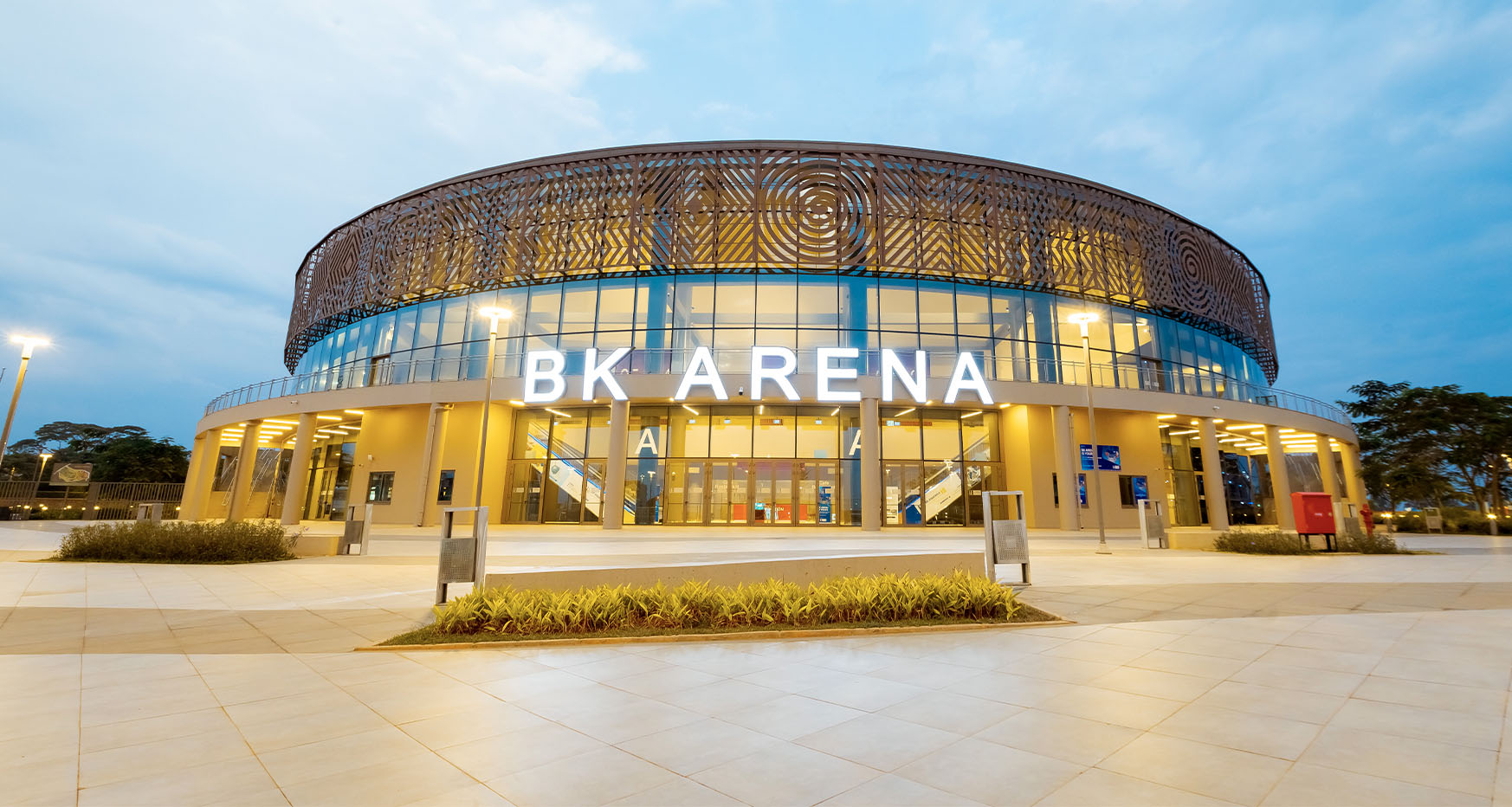
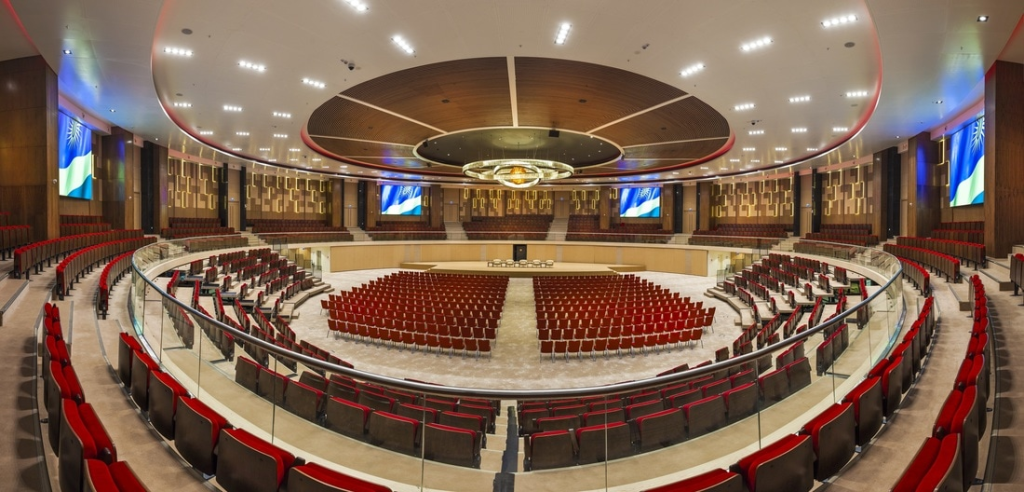
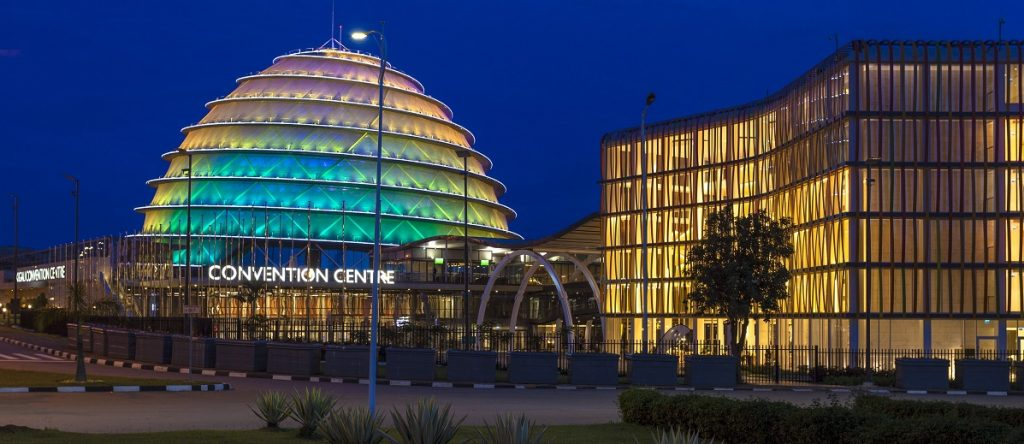
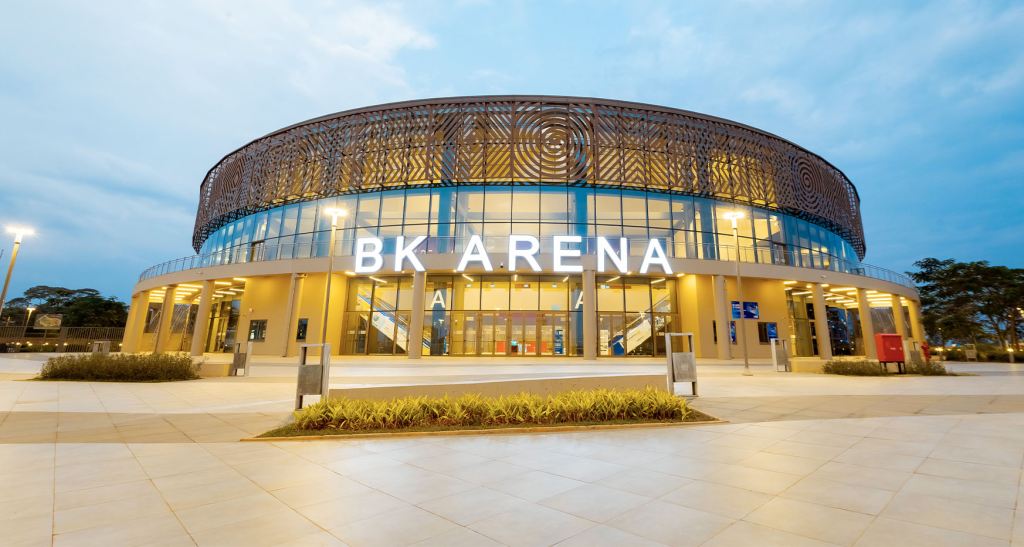
Rwanda offers a wide range of venues suitable for conferences, exhibitions, corporate meetings, weddings, concerts, and private celebrations. Some of the country’s best known venues include the Kigali Convention Centre, Kigali Conference and Exhibition Village, Intare Conference Arena, BK Arena, Amahoro Stadium, and conference facilities within major hotels.
When selecting a venue, consider:
- Capacity
- Accessibility
- Parking
- Internet connectivity
- Technical facilities
- Catering options
- Accommodation nearby
- Accessibility for guests with disabilities
Since venue availability varies throughout the year, especially during busy conference seasons, it is advisable to make reservations well in advance and confirm all requirements directly with the venue management.
Work with Experienced Event Suppliers
A successful event depends on reliable partners.
Depending on the type of event, you may need:
- Event planners
- Decor and floral designers
- Caterers
- Audio visual technicians
- Furniture and tent suppliers
- Photographers and videographers
- Entertainment providers
- Printing companies
- Security services
- Transportation providers
Choosing experienced suppliers and confirming responsibilities early helps reduce last minute challenges.
Understand Permits and Approvals
Some events may require approvals or coordination with relevant authorities, particularly those involving public gatherings, temporary structures, entertainment activities, sporting events, or road closures.
Permit requirements vary depending on the size, location, and nature of the event. If you’re unsure, consult the relevant authorities or seek guidance from your venue or event planner during the planning process.
Create a Detailed Event Timeline
Develop a schedule that covers every stage of the event, including:
- Venue setup
- Supplier arrival
- Guest registration
- Opening ceremony
- Presentations or performances
- Breaks and networking sessions
- Closing remarks
- Venue breakdown
Sharing the timeline with your team and suppliers helps ensure everyone understands their responsibilities.
Promote Your Event
An effective marketing strategy helps increase attendance and engagement.
Promotion may include:
- Social media campaigns
- Email invitations
- Event websites
- Press releases
- Media partnerships
- Digital advertising
- Influencer collaborations
Starting your promotional activities early gives potential attendees enough time to register and make travel arrangements.
Deliver a Great Guest Experience
The best events are remembered not only for their content but also for how attendees feel throughout the day.
Consider:
- Clear signage
- Efficient registration
- Comfortable seating
- Reliable internet access
- Quality catering
- Professional customer service
- Accessibility for all guests
- Emergency and safety arrangements
- Professional photography and videography
- Livestreaming
- Entertainment
Attention to these details contributes to a positive and memorable experience.
The Role of the Rwanda Convention Bureau
For conferences, exhibitions, and other qualifying business events, the Rwanda Convention Bureau (RCB) provides support to event organizers throughout the planning process.
Its services may include assistance with venue selection, logistics coordination, bid support, site inspections, and connecting organizers with local service providers. Working with the bureau can simplify planning and help deliver successful international events in Rwanda.