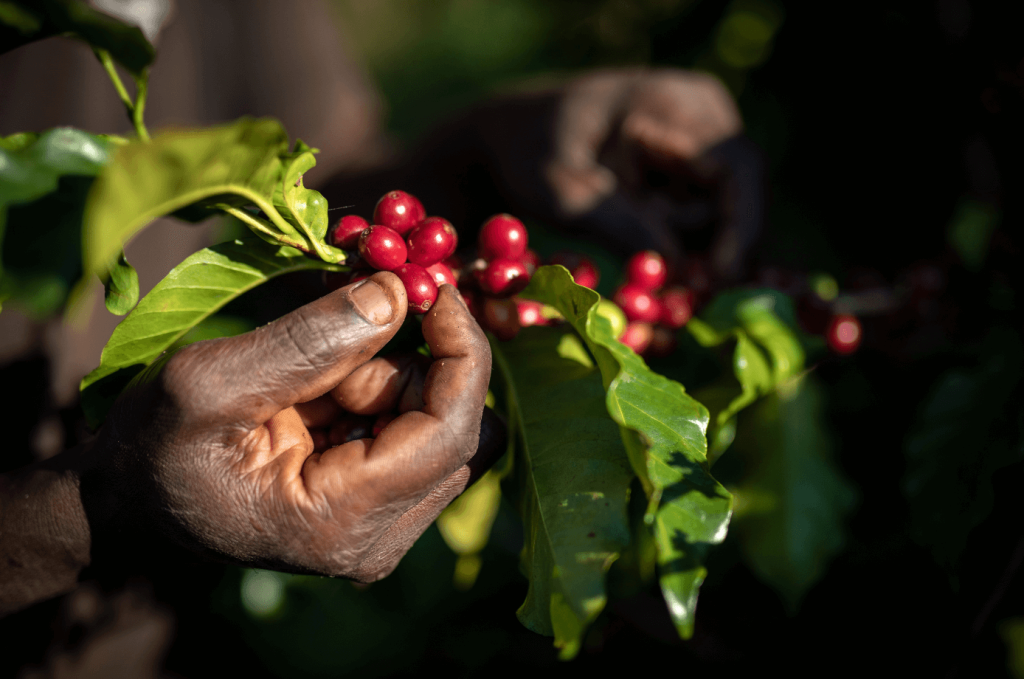

Coffee was introduced to Rwanda in the early 1900s during German colonial rule. Over time, the country’s fertile volcanic soils, favorable climate, and high altitude proved ideal for cultivating Bourbon Arabica, a variety now celebrated for its exceptional quality.
For many years, Rwanda mainly exported unprocessed green coffee beans. However, investments in quality improvement, modern washing stations, farmer training, and specialty coffee production transformed the industry. Today, Rwanda is regarded as one of Africa’s leading producers of specialty coffee, with buyers willing to pay premium prices for its distinctive flavor and consistent quality.
ALSO: Investment Incentives in Rwanda: A Complete Guide for Local and Foreign Investors
What Makes Rwanda Coffee Special?
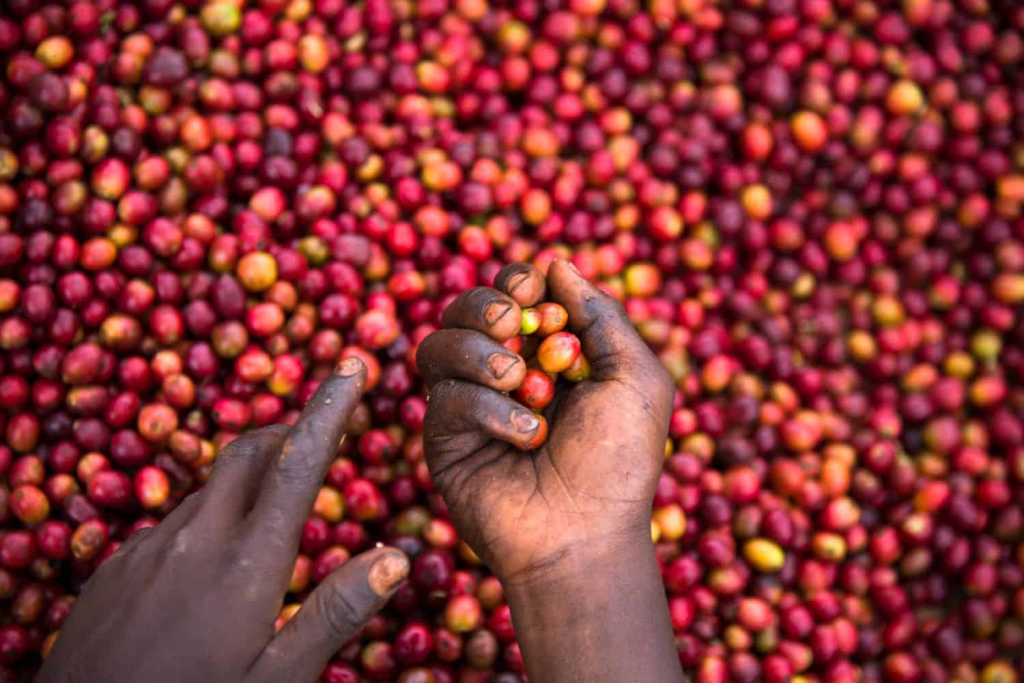
Rwanda’s coffee is renowned for its bright acidity, floral aromas, balanced sweetness, and clean finish. These characteristics are the result of a unique combination of fertile volcanic soils, high elevations, moderate temperatures, reliable rainfall, and meticulous hand harvesting by farmers.
ALSO: Doing Business in Rwanda: The Complete Guide for Investors, Entrepreneurs and Companies
Most of Rwanda’s coffee is Bourbon Arabica, a variety highly sought after by specialty coffee roasters around the world. Every harvest undergoes careful processing and quality control before reaching international markets, helping Rwanda maintain its reputation for excellence.

An Industry Built by Smallholder Farmers
The Rwanda coffee industry is built on the dedication of approximately 400,000 smallholder farming families cultivating coffee across nearly 42,000 hectares of farmland.
Each year, the country produces between 16,000 and 21,000 metric tonnes of coffee, with production concentrated in districts across the Western, Southern, Northern, and Eastern Provinces. Regions surrounding Lake Kivu are particularly well known for producing some of Rwanda’s highest quality specialty coffees.
Coffee farming provides more than seasonal employment. It supports household incomes, education, healthcare, and local businesses while sustaining entire rural communities.
From Farm to Global Markets
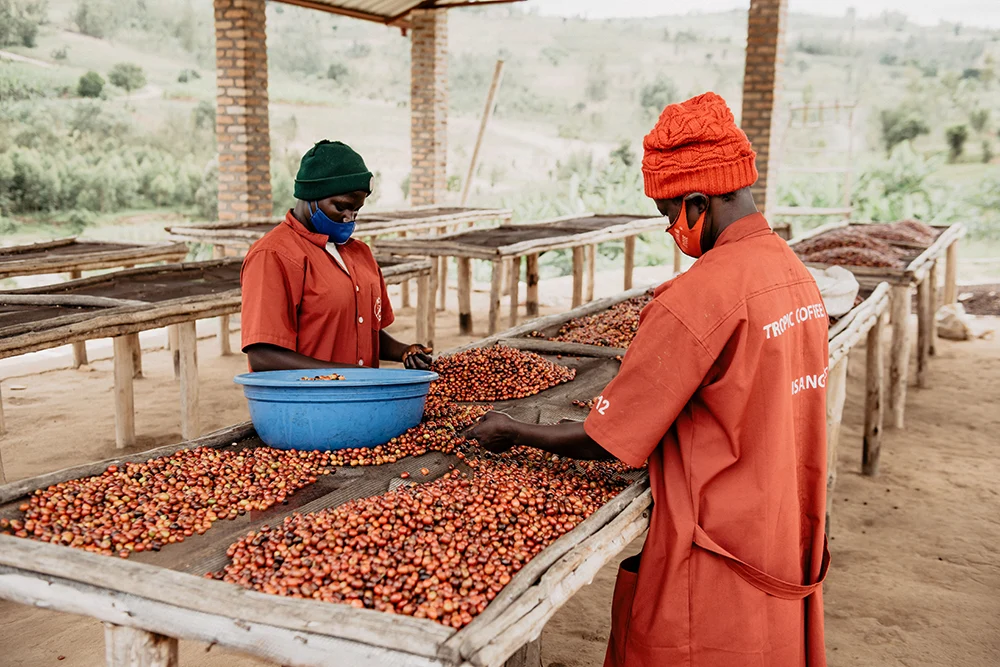
The journey of Rwanda’s coffee begins with farmers carefully harvesting ripe cherries before delivering them to nearby coffee washing stations. There, the cherries are sorted, washed, fermented, dried, and graded to meet international quality standards.
After processing, the coffee is exported to specialty buyers and roasters in countries such as the United States, Germany, Belgium, Japan, and the United Kingdom, where Rwanda’s coffee has earned a reputation for quality and traceability.
At the same time, an increasing share of Rwanda’s coffee is being roasted, packaged, and branded locally, allowing more value to remain within the country while creating new business opportunities.
Driving Economic Growth
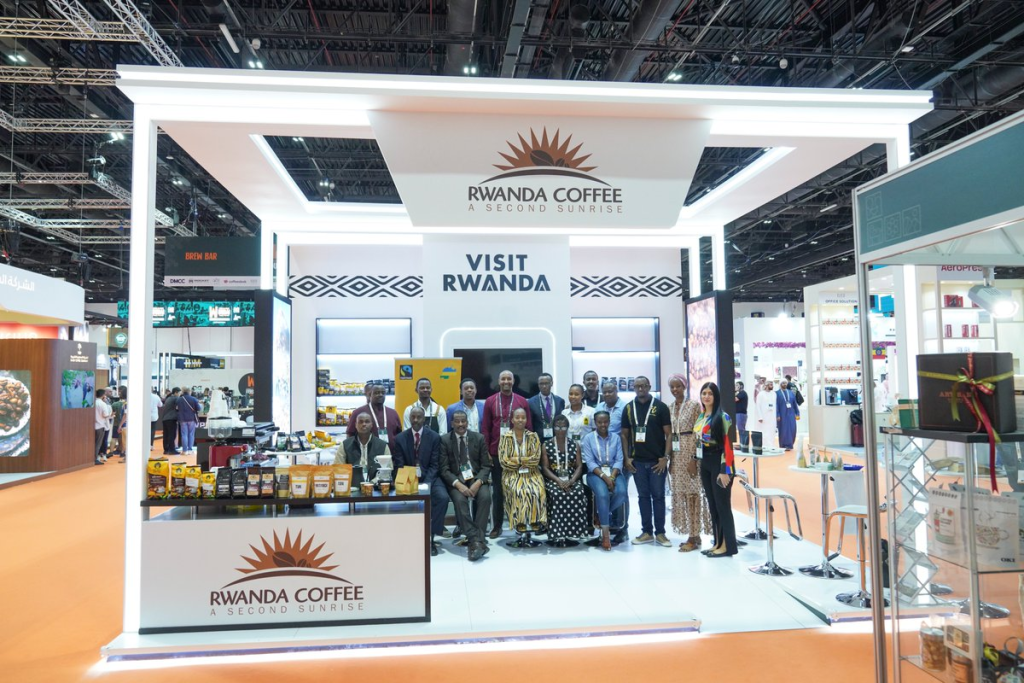
Coffee continues to play a vital role in Rwanda’s economy by generating foreign exchange, supporting exports, and creating employment throughout the value chain.
The sector extends far beyond farming. It supports cooperatives, washing stations, exporters, logistics providers, equipment suppliers, cafés, hospitality businesses, researchers, and entrepreneurs who all contribute to the success of Rwanda’s coffee industry.
The sector is coordinated by the National Agricultural Export Development Board (NAEB), which supports production, processing, marketing, exports, research, and sector development while promoting Rwanda coffee internationally.
ALSO: Business Licenses in Rwanda: Complete Guide to Permits & Registration
Investment Opportunities
As global demand for specialty coffee continues to rise, Rwanda offers attractive investment opportunities throughout the coffee value chain.
Investors continue to establish coffee washing stations, expand commercial coffee farms, develop roasting and packaging facilities, open specialty cafés, and invest in coffee tourism experiences that allow visitors to discover Rwanda’s journey from farm to cup.
Growing domestic coffee consumption also presents opportunities for entrepreneurs to build local coffee brands while serving hotels, restaurants, offices, and an increasingly sophisticated café culture.
International Recognition
Rwanda’s coffee industry has earned international recognition through prestigious competitions and awards that highlight both the quality of its coffee and the innovation of its coffee businesses.
In 2026, Rubia Coffee Roasters became the first coffee shop in Rwanda and Sub Saharan Africa to be ranked among The World’s 100 Best Coffee Shops, placing 54th globally. The achievement reflects Rwanda’s growing success in roasting, branding, and serving world class coffee locally.
The country’s excellence has also been recognized through the Best of Rwanda National Specialty Coffee Competition, organized annually by NAEB, where outstanding coffee lots are selected and auctioned to international buyers. In the 2025 edition, Ignace Ndayahungwa of K Organics achieved the highest ranking among 316 submitted coffee samples.
Other recent achievements include awards for Question Coffee Rwanda, Abakunda Kawa Cooperative, and international recognition through the Good Food Awards, Africa Coffee & Tea Expo, and the Ernesto Illy International Coffee Award. Together, these accomplishments reinforce Rwanda’s reputation as one of Africa’s premier specialty coffee origins.