
Ask a tomato seller in Kimironko what changed her business this year, and she probably won’t say “interoperability.” But that’s exactly what happened to her.
For years, Rwanda’s mobile money story had a hidden catch. MTN MoMo and Airtel Money worked fine on their own, but the moment a customer on one network tried to pay a merchant registered on the other, the transaction simply refused to happen. Traders kept two phones, two SIM cards, sometimes two different price boards, just to avoid turning away a sale. It wasn’t a big enough problem to make headlines. It was just the quiet tax everyone in the market paid without naming it.
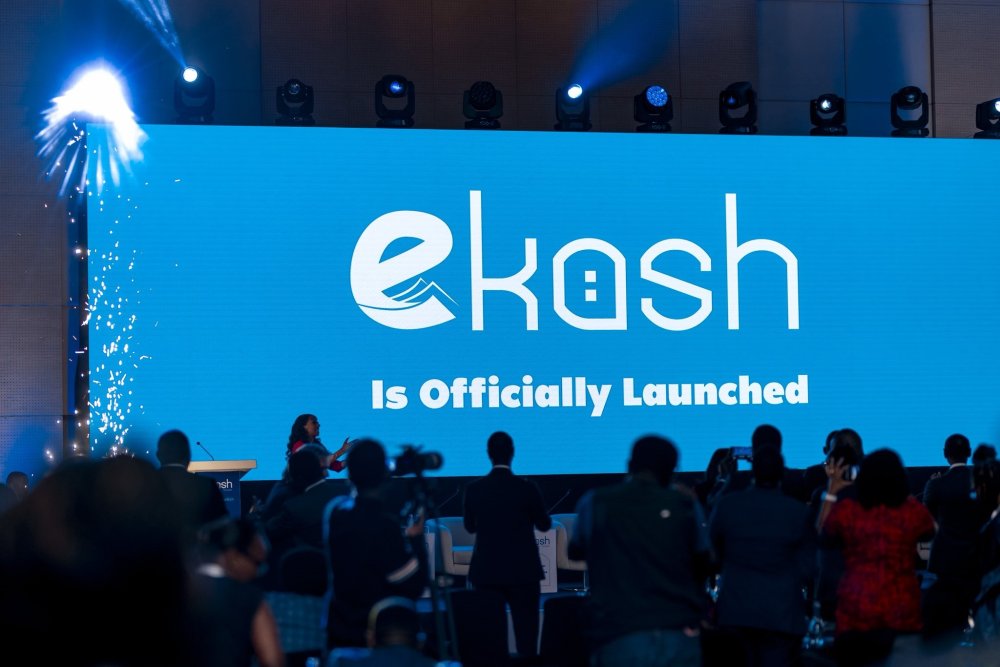
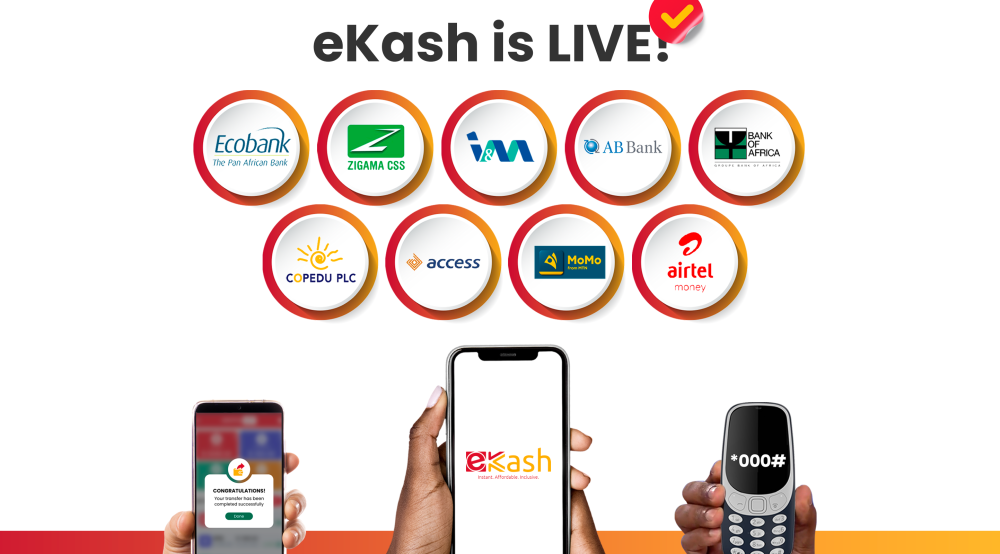
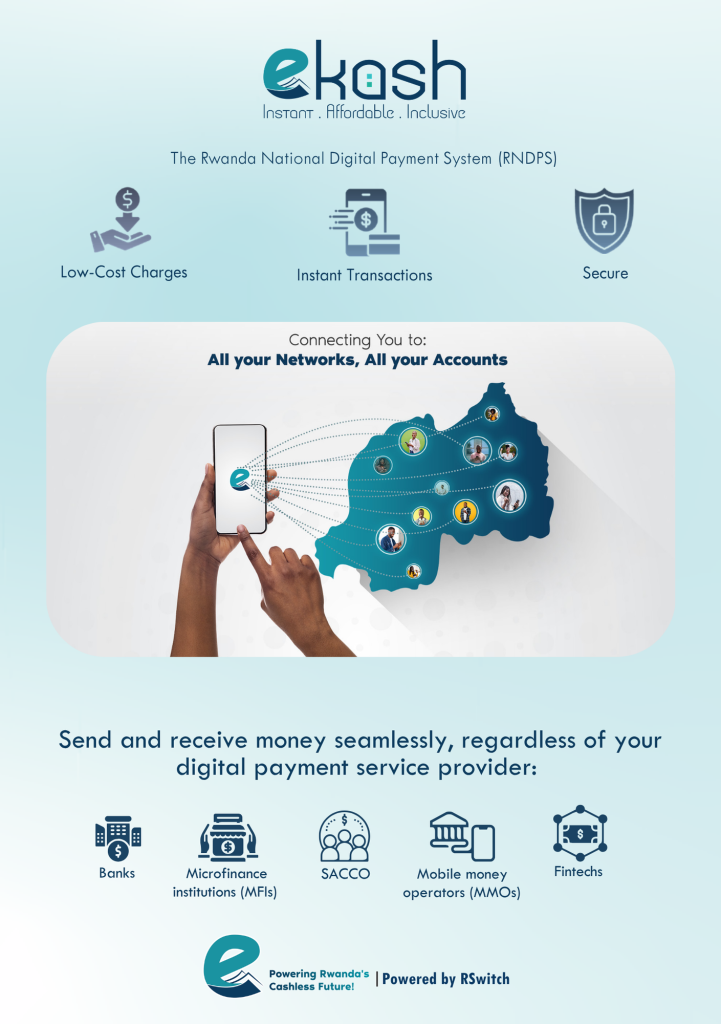
That changed on July 14, when the National Bank of Rwanda completed the national rollout of eKash, the country’s new instant payment system built by RSwitch. eKash isn’t an app people download or a wallet people open. It’s the plumbing behind the apps they already use. Your banking app, your USSD code, your MoMo or Airtel wallet, all of it now runs through one shared switch that connects banks, mobile money operators, SACCOs, and fintechs on the same rail.
For a market vendor, the practical effect is almost boring, in the best way. A single merchant code can now receive payment from any bank account or any mobile wallet in the country. No more asking a customer “which network are you on” before deciding whether to make the sale. No more losing a transaction because the buyer’s phone speaks a different digital language than the seller’s till.
The Numbers That Matter to a Trader
The headline figure is the fee. Interoperable transfers that used to cost as much as Rwf 5,000 now cost a flat Rwf 20, regardless of the amount, up to a transaction ceiling of Rwf 10 million. For someone moving small sums dozens of times a day, that difference isn’t a footnote. It’s the margin between a good week and a break even one.
There’s a human cost behind those old fees too. AfricaNenda, the organization that helped Rwanda build eKash, spoke to a shop owner named Mwesigye Aboubakar about what the fragmented system used to mean for his business. Customers would walk in ready to buy, only to discover their money couldn’t reach his till. Some left to find cash. Some just left. Every blocked transaction was a sale that quietly disappeared, and nobody was counting how many.
The scale confirms it isn’t a niche upgrade. In a press release dated August 5, the National Bank of Rwanda reported that eKash has processed more than 10.5 million transactions since launch, moving over Rwf 960 billion, with a 98.6 percent success rate. Even more telling is who’s actually using it. The number of people active on interoperable digital payments jumped from 740,787 in June to 1,971,522 by the end of July, a 166 percent increase in a single month. That’s not early adopters testing a new toy. That’s a market moving as a whole.
What This Means for Kigali’s Informal Economy
Rwanda already had one of the highest rates of financial inclusion on the continent, with the vast majority of adults holding some kind of formal or mobile account. The gap was never really about access. It was about friction, the small daily frustrations that push people back toward cash even when they own a smartphone and a wallet app.
eKash targets that friction directly, and informal traders are exactly the group with the most to gain. They operate on thin margins, they transact constantly, and they’ve historically had the least patience for systems that don’t just work. When a fishmonger in Nyabugogo or a secondhand clothes seller in Kimironko can accept any payment from any network without a second thought, the informal economy stops running on workarounds and starts running on infrastructure.
There’s a longer arc here too. Officials involved in the rollout have framed eKash as a foundation for deeper regional integration, the kind that could eventually let Rwandan traders transact more easily across East African borders. That’s still ahead. For now, the more immediate story is a simpler one: the everyday friction of buying and selling in Kigali just got a lot smaller, and most people won’t even notice it happening. They’ll just notice that the sale went through.
Sources: National Bank of Rwanda press release (August 5, 2026), The New Times, African Business, AfricaNenda Foundation, RISA, RSwitch.