
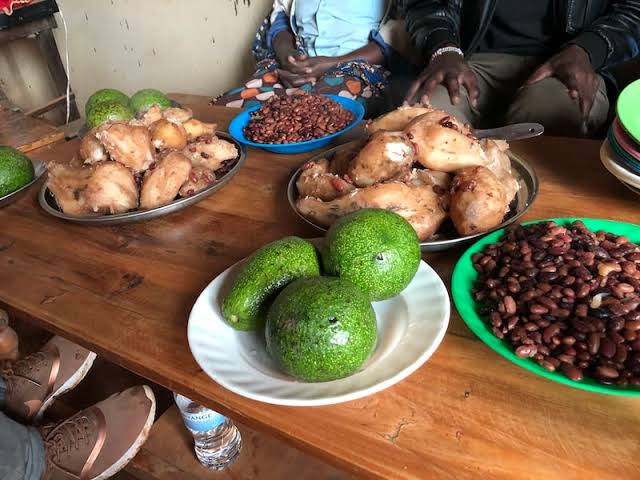
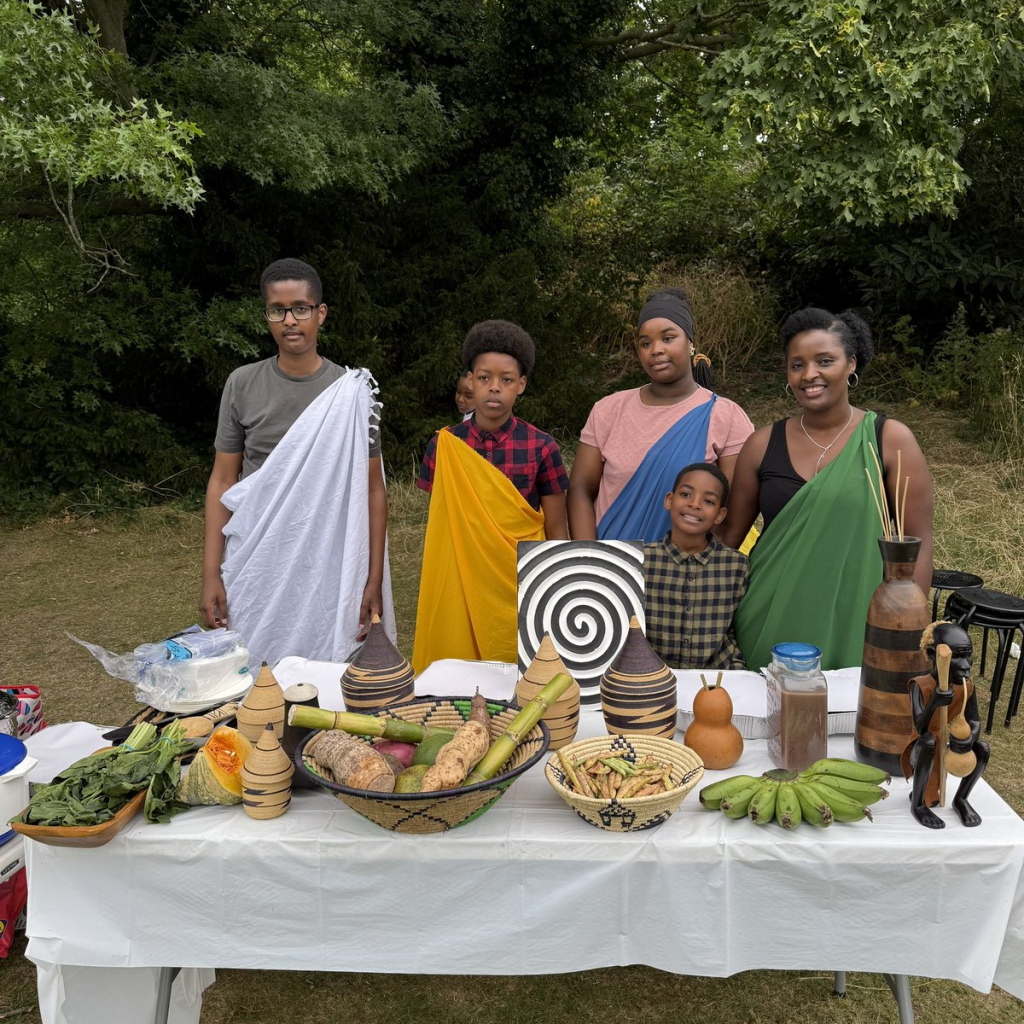
On August 7, Rwanda pauses for something that predates every institution currently governing it. Umuganura, the country’s first fruits festival, falls that Friday, and offices, schools, and businesses across the country will close for a celebration that has roots reaching back more than a thousand years, long before colonial borders, long before independence, long before the calendar most Rwandans use today.
The Ministry of Public Service and Labour confirmed the holiday for both public and private sector employees earlier this week, a formality by now, since Umuganura has landed on the first Friday of August every year since it was revived in 2011. But the confirmation matters less than what the day actually asks of people.
What Umuganura Actually Means
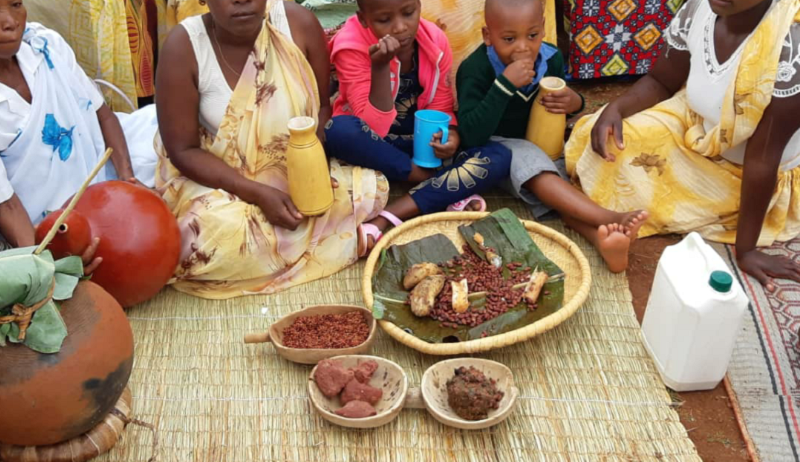
The name translates roughly to “first fruits,” and the tradition behind it is specific. In pre-colonial Rwandan households, families were forbidden from eating anything from a new harvest until the elders had tasted it first. The crop belonged, in a sense, to the ancestors before it belonged to the table. Umuganura was the day that debt got paid, a formal thanksgiving where the first produce of the season was offered up before anyone else could touch it.
That practice didn’t survive colonial rule intact. Both German and Belgian administrations suppressed it, and for decades it existed more as memory than event. Its return in 2011, led by the Institute of National Museums of Rwanda with backing from the Ministry of Sports and Culture, wasn’t just a cultural revival. It was a deliberate act of reclaiming something that had been taken.
Why It Still Matters to the Economy, Not Just the Culture
It’s easy to file Umuganura under folklore and move on, but the numbers behind it tell a different story. Agriculture still employs roughly 80 percent of Rwanda’s workforce and accounts for close to 40 percent of GDP. Tea and coffee alone make up the bulk of the country’s agricultural exports. A festival built entirely around gratitude for the harvest isn’t a nostalgic add on in an economy like that. It’s close to the center of it.
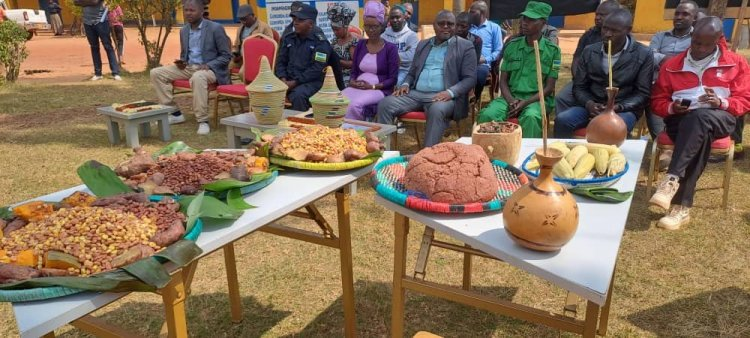
That’s part of why Umuganura has grown into more than a private, family ritual. The modern version includes public ceremonies, traditional dishes like umutsima and isombe served at community gatherings, cultural dances, poetry, and art performances that double as a kind of national report card, a chance to publicly measure the year’s progress against the year before.
What to Expect on the Day
Expect markets and cultural centers to lean into it. Restaurants around Kigali often build special menus around traditional dishes for the occasion, and artisans use the day to showcase work tied to local materials and technique. If you’re planning to be out, this is less a fireworks and parade kind of holiday and more a day of shared meals, performance, and, deliberately, reflection. The spirit of the thing was never spectacle. It was thanks.
For a country where the harvest still quite literally feeds the economy, that distinction is worth sitting with for a day.

Sources: Ministry of Public Service and Labour (Rwanda), Institute of National Museums of Rwanda, Office Holidays, National Today.