
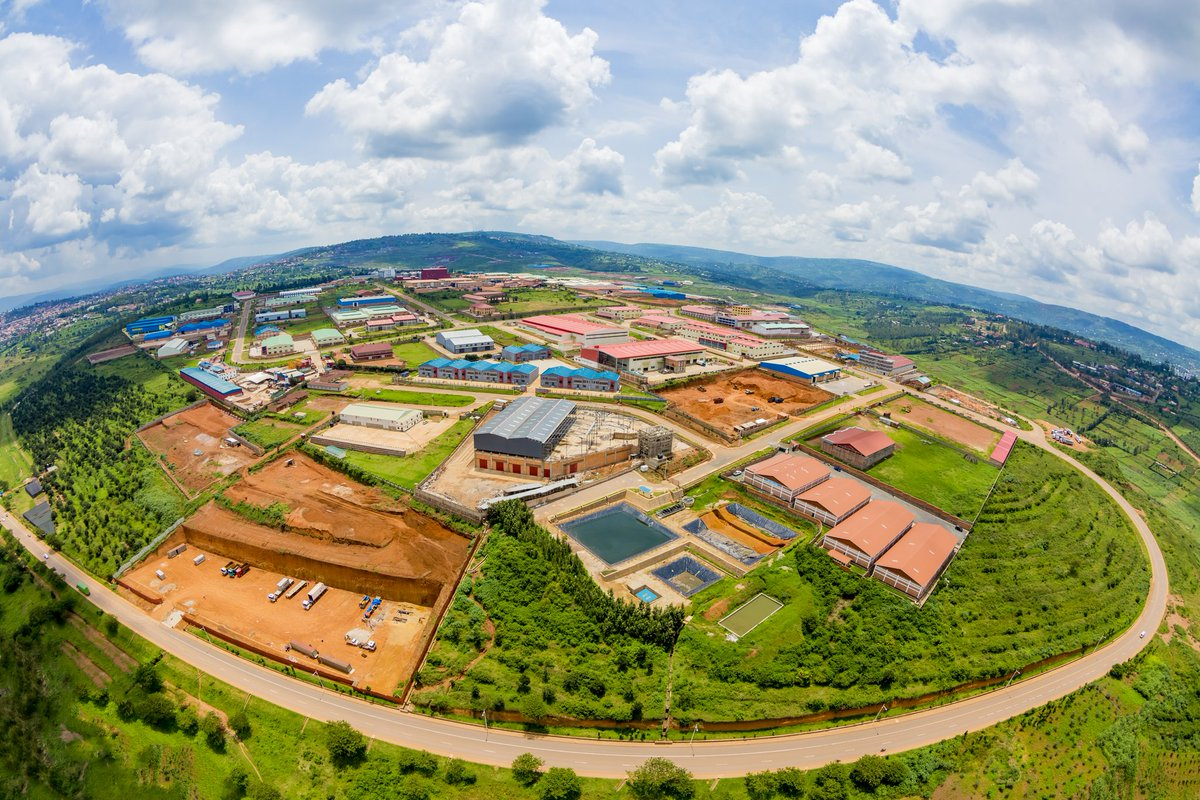
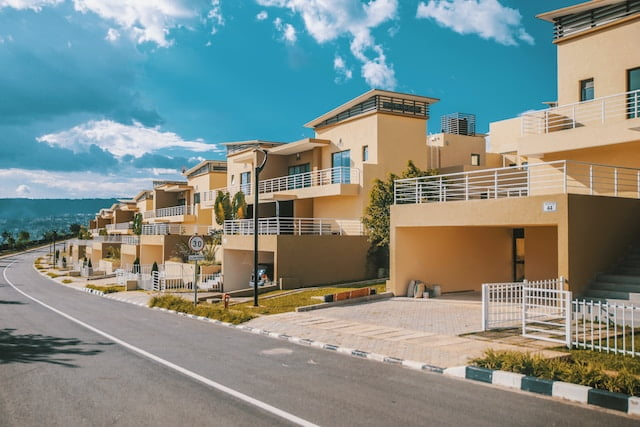
Rwanda has established itself as one of Africa’s most attractive destinations for business and investment. Known for its political stability, efficient public services, digital government systems, and investor friendly policies, the country continues to attract entrepreneurs, startups, multinational companies, and investors from around the world.
Whether you want to launch a small business, establish a regional office, invest in agriculture, build a manufacturing company, or expand your international operations into East Africa, Rwanda offers a supportive business environment designed to encourage private sector growth.
This guide explains everything you need to know about doing business in Rwanda, from business registration and taxation to investment opportunities, government institutions, financing, and sector specific regulations.
Quick Facts About Doing Business in Rwanda
Can foreigners own a business in Rwanda?
Yes. Rwanda welcomes both local and foreign investors. In many sectors, foreigners can own companies, establish subsidiaries, or register branch offices, subject to applicable laws and sector specific regulations.
Where do I register my business?
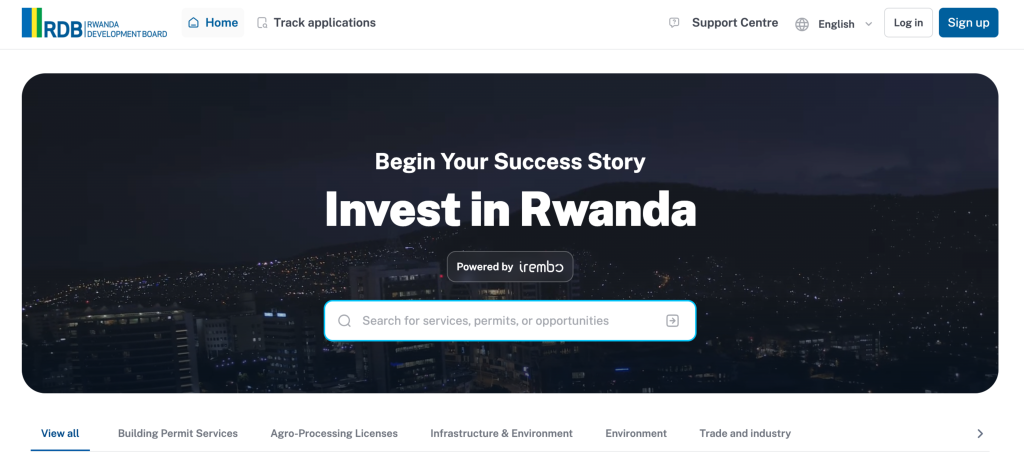
Business registration is handled through the Rwanda Development Board (RDB).
The RDB One Stop Centre is the best place to begin your business journey. It brings together several government services under one roof, helping entrepreneurs register companies, receive investment advice, obtain guidance on licensing, and connect with the relevant government institutions.
How long does business registration take?
For most standard applications with complete documentation, business registration can often be completed in less than six hours. Businesses operating in regulated industries may require additional approvals before they begin operations.
Who collects business taxes?
The Rwanda Revenue Authority (RRA) is responsible for tax administration and customs.
Businesses may be required to pay taxes such as:
- Corporate Income Tax
- Value Added Tax (VAT)
- Pay As You Earn (PAYE)
- Withholding Tax
- Excise Tax where applicable
Do all businesses need permits?
Not always.
Many businesses can begin operating after registration, while others require additional permits or licenses depending on the nature of their activities.
Examples include:
- Tourism businesses
- Financial institutions
- Healthcare providers
- Educational institutions
- Construction companies
- Food manufacturers
- Pharmaceutical companies
- Importers and exporters
The RDB One Stop Centre will direct you to the appropriate government institution.
Also Read : Business Licenses in Rwanda
Why Choose Rwanda for Business?
Rwanda offers numerous advantages for entrepreneurs and investors.
These include:
- Fast business registration
- Transparent regulations
- Political and economic stability
- Low levels of corruption
- Modern digital government services
- Reliable internet infrastructure
- Strategic location in East Africa
- Access to the East African Community (EAC)
- Access to the African Continental Free Trade Area (AfCFTA)
- Government support for private investment
- Growing skilled workforce
These strengths have made Rwanda a preferred destination for investment in tourism, agriculture, manufacturing, ICT, logistics, renewable energy, healthcare, education, and financial services.
Registering a Business in Rwanda
Starting a company in Rwanda is straightforward.
The typical process includes:
- Choose your business structure.
- Reserve your business name if required.
- Register your company through the Rwanda Development Board.
- Obtain your Tax Identification Number.
- Register for any applicable taxes.
- Apply for any industry specific licenses or permits.
- Open a business bank account.
- Begin operations after meeting all regulatory requirements.
Which Government Institution Should You Contact?
Different sectors are regulated by different government institutions.
The following table provides a useful starting point.
| Business Activity | Main Institution |
|---|---|
| Business registration and investment | Rwanda Development Board (RDB) |
| Taxes and customs | Rwanda Revenue Authority (RRA) |
| Agriculture and livestock | Rwanda Agriculture and Animal Resources Development Board (RAB) |
| Coffee, tea and horticulture exports | National Agricultural Export Development Board (NAEB) |
| Food, medicines, cosmetics and medical devices | Rwanda Food and Drugs Authority (Rwanda FDA) |
| Product standards and certification | Rwanda Standards Board (RSB) |
| Banking, insurance and financial services | National Bank of Rwanda (BNR) |
| ICT and digital innovation | Ministry of ICT and Innovation and Rwanda Information Society Authority (RISA) |
| Environmental compliance | Rwanda Environment Management Authority (REMA) |
| Tourism and hospitality | Rwanda Development Board Tourism Department and Rwanda Chamber of Tourism |
| Labour and social security | Ministry of Public Service and Labour and Rwanda Social Security Board (RSSB) |
| Trade and industrial development | Ministry of Trade and Industry (MINICOM) |
If you are unsure which institution applies to your business, begin at the RDB One Stop Centre, where you can receive guidance and referrals.
Also Read : Business Licenses in Rwanda: Complete Guide to Permits & Registration (2026)
Sector Specific Opportunities
Agriculture
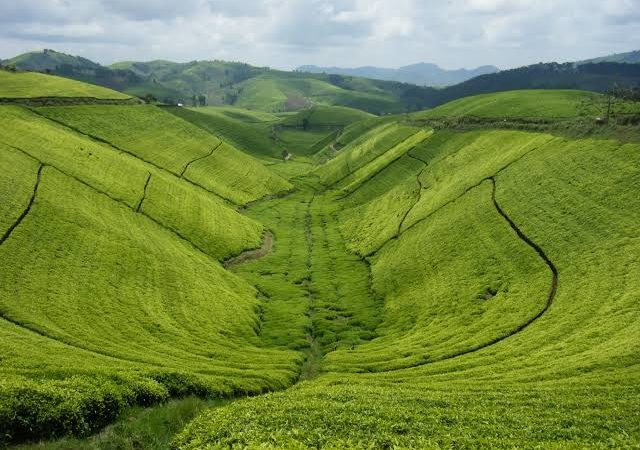
Agriculture remains one of Rwanda’s largest economic sectors.
Business opportunities include:
Tourism and Hospitality
Rwanda continues to experience growth in tourism.
Investment opportunities include:
- Hotels
- Lodges
- Restaurants
- Tour companies
- Cultural tourism
- Conference services
- Eco tourism
Businesses should work with the Rwanda Development Board and the Rwanda Chamber of Tourism.
Technology and Innovation
Kigali has become one of Africa’s fastest growing technology hubs.
Opportunities include:
- Software development
- Artificial Intelligence
- Cybersecurity
- Fintech
- Mobile applications
- E commerce
- Digital marketing
Technology companies can seek guidance from RDB, the Ministry of ICT and Innovation, and RISA.
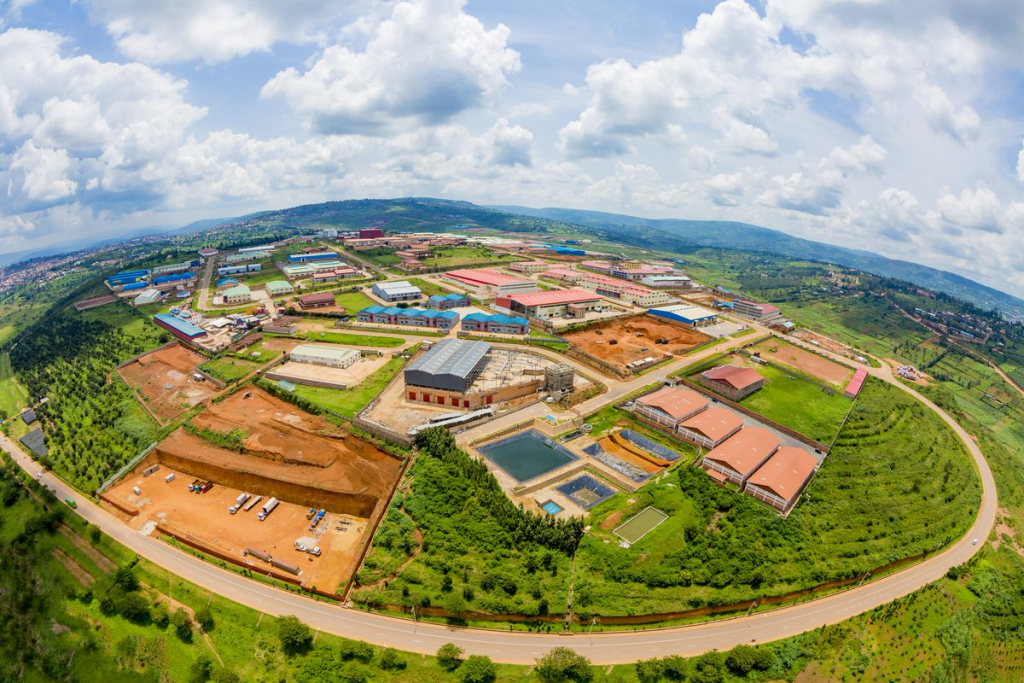
Manufacturing
Manufacturing continues to grow across Rwanda.
Popular industries include:
- Consumer products
- Construction materials
- Packaging
- Pharmaceuticals
- Furniture
- Food processing
Manufacturers should comply with applicable Rwanda Standards Board requirements.
Also Read : Business Licenses in Rwanda: Complete Guide to Permits & Registration (2026)
Healthcare
Healthcare businesses include:
- Hospitals
- Clinics
- Pharmacies
- Laboratories
- Medical equipment suppliers
Many healthcare businesses require approvals from the Ministry of Health and Rwanda FDA.
Renewable Energy
Investment opportunities include:
- Solar energy
- Mini grids
- Energy storage
- Clean cooking technologies
Importing and Exporting
Businesses involved in international trade should understand customs procedures, product standards, and export requirements.
Major exports include:
- Tea
- Coffee
- Minerals
- Horticulture
- Manufactured products
Join Rwanda’s Business Community
Networking plays an important role in business success.
Entrepreneurs are encouraged to participate in:
- Private Sector Federation (PSF)
- Rwanda Chamber of Tourism
- Business associations
- Industry conferences
- Trade exhibitions
- Investment forums
Successful businesses in Rwanda typically:
- Start with the Rwanda Development Board One Stop Centre.
- Conduct market research before investing.
- Understand industry regulations.
- Build relationships with local partners.
- Hire qualified professionals.
- Invest in customer service.
- Maintain tax compliance.
- Keep accurate financial records.
- Embrace digital technology.
Rwanda has built one of Africa’s most business friendly environments by combining efficient public services, transparent regulations, digital innovation, and strong government support for private sector development.
While every business has unique regulatory requirements, entrepreneurs can simplify the process by starting at the Rwanda Development Board One Stop Centre, where they can register their business, receive investment guidance, and be directed to the appropriate government institutions.
Whether you are launching a startup, investing in agriculture, opening a hotel, expanding a manufacturing company, or entering Rwanda’s growing digital economy, understanding the country’s business ecosystem and working with the relevant institutions will help you establish and grow a successful business.