

The biggest obstacle to owning an electric vehicle was never really the technology. It was the upfront cost. Bank of Kigali’s answer to that is BK GO EV Financing, a loan product built specifically to get private buyers, taxi operators, and bus companies into brand new EVs without the down payment doing all the blocking.
Three Very Different Customers, One Product
What makes BK GO EV worth a closer look is that it doesn’t treat an individual buyer and a bus operator the same way, which is where a lot of vehicle financing products fall short.
Private owners get the most straightforward terms: up to 100 percent financing, meaning little to no deposit, repaid over as long as five years at 14 percent interest, with no processing fee. To qualify, you need steady income, whether salaried, business, or contract based, existing loan repayments that don’t already eat up more than twice your income, a clean credit and tax record, and a brand new EV from an approved dealer.
Taxi and fleet operators get two paths depending on how much they can put down. A 5 percent deposit buys three years of repayment at 14 percent interest, while a 10 percent deposit stretches that to four years at 15 percent. Repayments run weekly rather than monthly, and insurance can be rolled into the loan itself. The qualifying bar is understandably higher here: a registered taxi or car rental business with at least 12 months of trading history, active use of a fleet app like Yego, Move, Greenride, or Tap&Go, fares settling into a Bank of Kigali business account, and a GPS tracker fitted to the vehicle.
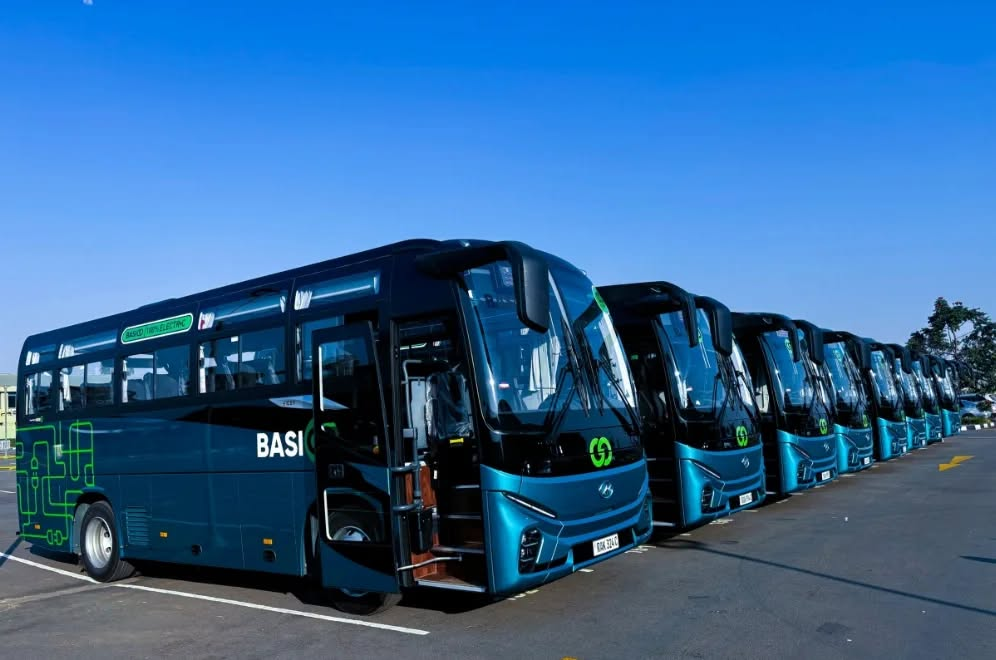
Bus operators get the most aggressive terms of the three, up to 95 percent financing over five years at just 10 percent interest, though small processing and management fees apply. The requirements reflect the scale of the businesses involved: a valid RURA operating license, a registered transport company or cooperative, at least six months of steady trading, daily fare settlement into a Bank of Kigali account, approved routes, and a GPS tracker on the bus.

The Vehicle Is the Collateral
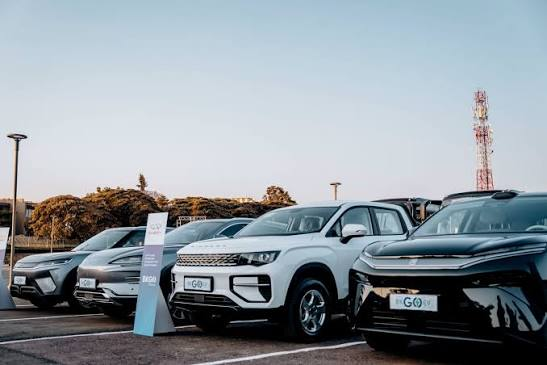
Across all three tiers, the structure is the same in one important way. Only brand new EVs sourced through Bank of Kigali’s approved suppliers qualify, and the vehicle itself stands as security for the loan. No extra collateral, no separate asset pledge. The approved supplier list currently includes CFAO Mobility, BasiGo, Longtai International Automobile Trading, China Electric Vehicles Rwanda, Chery Automobile, RwandaMotor, Carcarbaba, KABISA, and Akagera Business Group, a list the bank says will keep growing as new dealer partnerships form.
Why This Product Exists Right Now
Financing alone doesn’t explain why someone should switch to electric. The economics do. EVs cost meaningfully less to run day to day than fuel powered vehicles, so the savings compound well past the life of the loan. For a taxi or bus operator running a vehicle daily for years, that operating cost gap is arguably a bigger factor than the interest rate on the loan itself. It also lines up with Rwanda’s broader push toward greener transportation, giving fleet and transport operators a financial reason, not just a policy reason, to make the switch.


How to Access It
BK GO EV Financing is available through any Bank of Kigali branch, the bank’s SME Centers, or directly through a Relationship Manager, who can also confirm the latest list of approved suppliers before you commit to a purchase.
For a country trying to move an entire transport sector, private cars, taxi fleets, and public buses alike, toward electric, a financing product that adjusts its terms to who’s actually buying is a more practical push than a subsidy or a mandate would be on its own.
Source: Bank of Kigali.